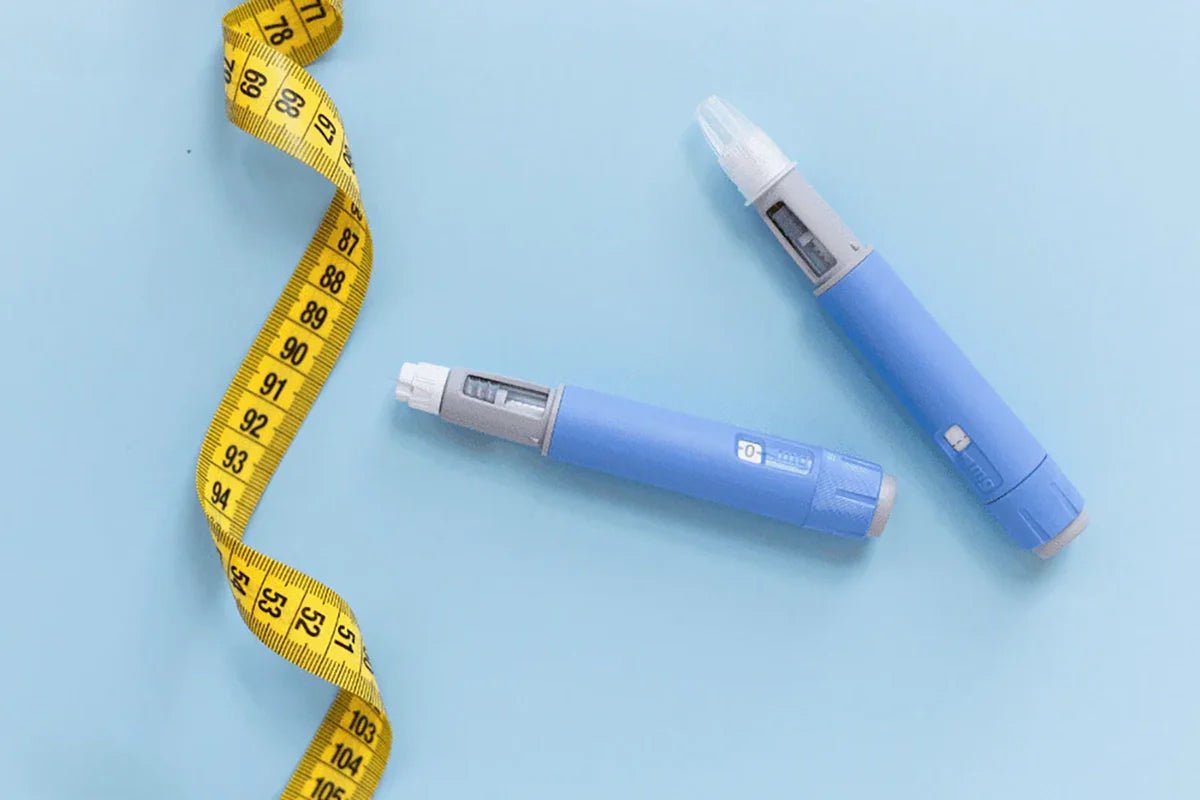
For most men, GLP-1 medications like Ozempic, Wegovy, and Zepbound tend to support better erections indirectly, by driving weight loss, steadier blood sugar, and in many cases higher testosterone. But the evidence is not one-directional: a 2024 analysis found that non-diabetic men who took semaglutide purely for weight loss had a measurably higher rate of new erectile dysfunction. The honest answer is that it depends on who you are and why you are taking the drug, which is exactly why you should track your erectile function with objective data rather than guess.
How do GLP-1 drugs affect erections?
Erections are fundamentally a blood-flow event, so anything that improves your vascular and metabolic health tends to help. GLP-1 receptor agonists drive meaningful weight loss, lower blood sugar, and reduce the chronic inflammation that damages the small blood vessels feeding the penis. In men with obesity or type 2 diabetes, that combination often translates into firmer, more reliable erections over time.
There is a hormonal angle too. Excess fat tissue converts testosterone into estrogen, so as men lose weight, testosterone frequently rises. A 2025 clinical summary reported by Healio noted that GLP-1 therapy may improve both testosterone levels and erectile function in many men, largely as a downstream benefit of the metabolic changes. Genetic evidence from a drug-target Mendelian randomization study points in the same direction, suggesting GLP-1 receptor activation is associated with lower ED risk.
Can Ozempic cause erectile dysfunction?
For a specific group, the data flip. Researchers at the University of Texas Medical Branch used the TriNetX database to study non-diabetic, obese men aged 18 to 50 who were prescribed semaglutide for weight loss. Among that group, 1.47% developed erectile dysfunction or were prescribed ED medication, compared with 0.32% in a matched control group, roughly a 4.5-fold relative increase. New testosterone deficiency was also higher: 1.53% versus 0.80%. The authors noted the result ran in the opposite direction of the expectation, since weight loss usually improves these symptoms.
Two things matter for context. First, the absolute numbers are small: most men in the study did not develop either problem. Second, the men most likely to benefit (those with diabetes or significant metabolic disease) were not the ones who showed the increased risk. You can read the study summary in Urology Times and the primary paper on PubMed.
Why does the research look so contradictory?
A recent review framed the question as friend or foe, and the answer is both, depending on the man. Population averages hide a lot of individual variation. Rapid weight loss can temporarily reduce calorie and nutrient intake, shift hormones, and affect energy and libido. Baseline health matters too: a man reversing diabetes is on a different trajectory than a lean-ish man chasing the last 15 pounds. Possible central mechanisms, where GLP-1 signaling touches the brain pathways that regulate reproductive hormones, are still being worked out.
The practical takeaway is not that GLP-1s are good or bad for erections. It is that the effect is personal and changes over time, so the only way to know your direction of travel is to measure it.
Why your erections are a vital sign worth tracking on a GLP-1
Nighttime erections, the ones that happen automatically during sleep, are one of the clearest readouts of vascular and hormonal health a man has. Yet in a FirmTech-aligned survey of men, 49.1% did not know that nighttime erections signal cardiovascular and hormonal health, and only about 26% of symptomatic men had ever been tested for low testosterone. When you start a drug that dramatically reshapes your metabolism, your erections become an early signal of whether things are trending up or down, often before you would notice in daily life.
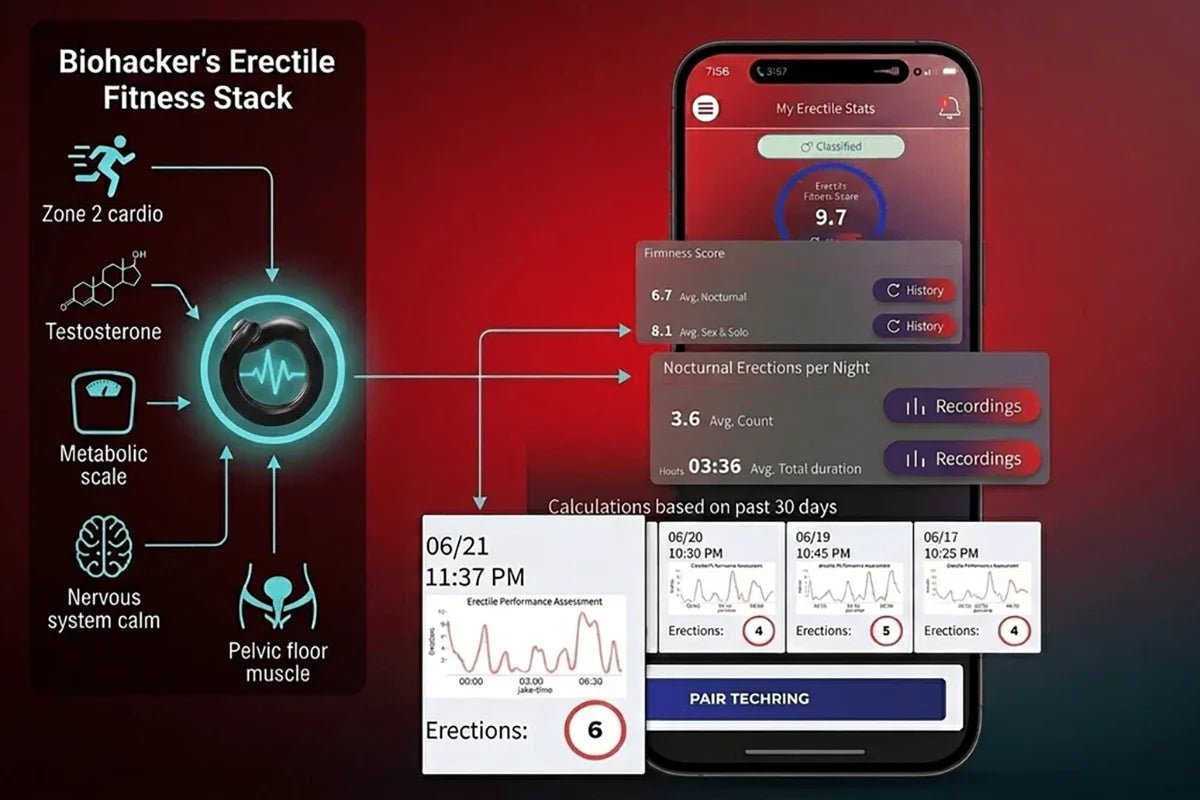
This is where erectile fitness, the idea that erections are a trackable measure you can improve, becomes practical. Instead of waiting months and going by feel, you can capture firmness, duration, and the number of nocturnal erections and watch the trend as your weight and labs change.
How to track your erectile fitness while on Ozempic or Wegovy
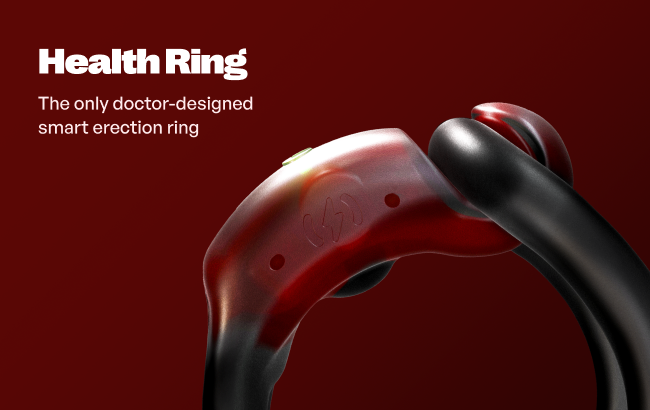
The FirmTech TechRing is a smart erection ring that doubles as a nocturnal erection tracker. Worn during sleep, it measures the firmness, duration, and number of your nighttime erections and rolls them into an Erectile Fitness Score, or EFS. Worn during sex, it supports a harder, longer-lasting erection while it records. With over 200,000 recordings to date, it is an erection ring recommended by urologists, and is strongly endorsed by Dr. Mohit Khera, former president of the Sexual Medicine Society of North America. A peer-reviewed paper indexed on PubMed describes the TechRing as a wearable penile device that can enrich sexual medicine by giving clinicians and patients objective data.
The smartest play is simple: get a baseline before you start your GLP-1, then re-check your EFS every few weeks as your weight comes down. If your score is climbing, your metabolic gains are reaching the bedroom. If it is slipping, you have an early, objective heads-up to raise with your doctor about dose, testosterone, or pace of weight loss. If you are not ready for a device yet, FirmTech's Free Sexual Health Assessment is a no-cost starting point.
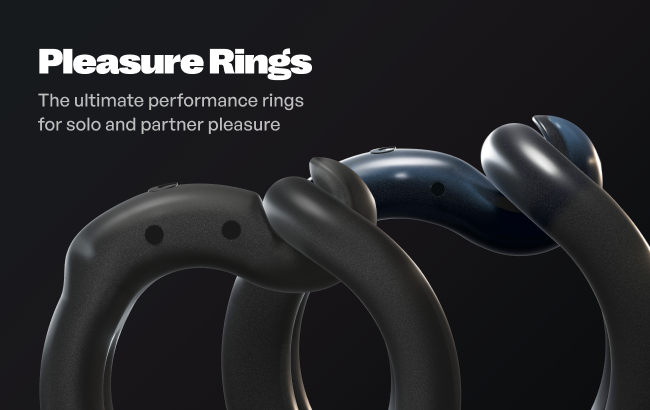
For men who want erection support without tracking, the non-tracking Performance Ring and MaxPR are options. Early, preliminary data from researcher Yoshi Sato on these rings suggested that, in effective cases, erection hardness and duration improved substantially and many men held an erection for an extra 10 to 15 minutes after climax. All FirmTech rings are HSA and FSA eligible and carry a 30-day money-back guarantee.
Frequently asked questions
Does Ozempic improve or worsen erectile dysfunction?
For most men, especially those with diabetes or obesity, GLP-1 medications tend to improve erections over time through weight loss, better blood sugar, and often higher testosterone. A subset of non-diabetic men using semaglutide for weight loss showed a higher rate of new ED in one 2024 study, so the effect is individual. Tracking your erectile fitness is the best way to know your own direction.
Can GLP-1 drugs lower testosterone?
In most men, weight loss on a GLP-1 is associated with higher testosterone. However, the 2024 TriNetX analysis found a modestly higher rate of new testosterone deficiency in non-diabetic men on semaglutide for weight loss (1.53% versus 0.80% in controls). If you have low-testosterone symptoms, ask your doctor about testing.
How soon would I notice changes in sexual function on a GLP-1?
It varies. Libido and energy shifts can appear within the first weeks as your intake drops, while the vascular and hormonal benefits of weight loss usually build over months. Capturing a baseline before you start and re-checking every few weeks makes the trend visible instead of leaving it to memory.
Should I track my erections while losing weight on a GLP-1?
Yes. Nighttime erections reflect cardiovascular and hormonal health, so they are a useful early signal during any major metabolic change. A nocturnal erection tracker like the TechRing turns a vague sense of how things are going into an objective Erectile Fitness Score you can act on with your doctor.