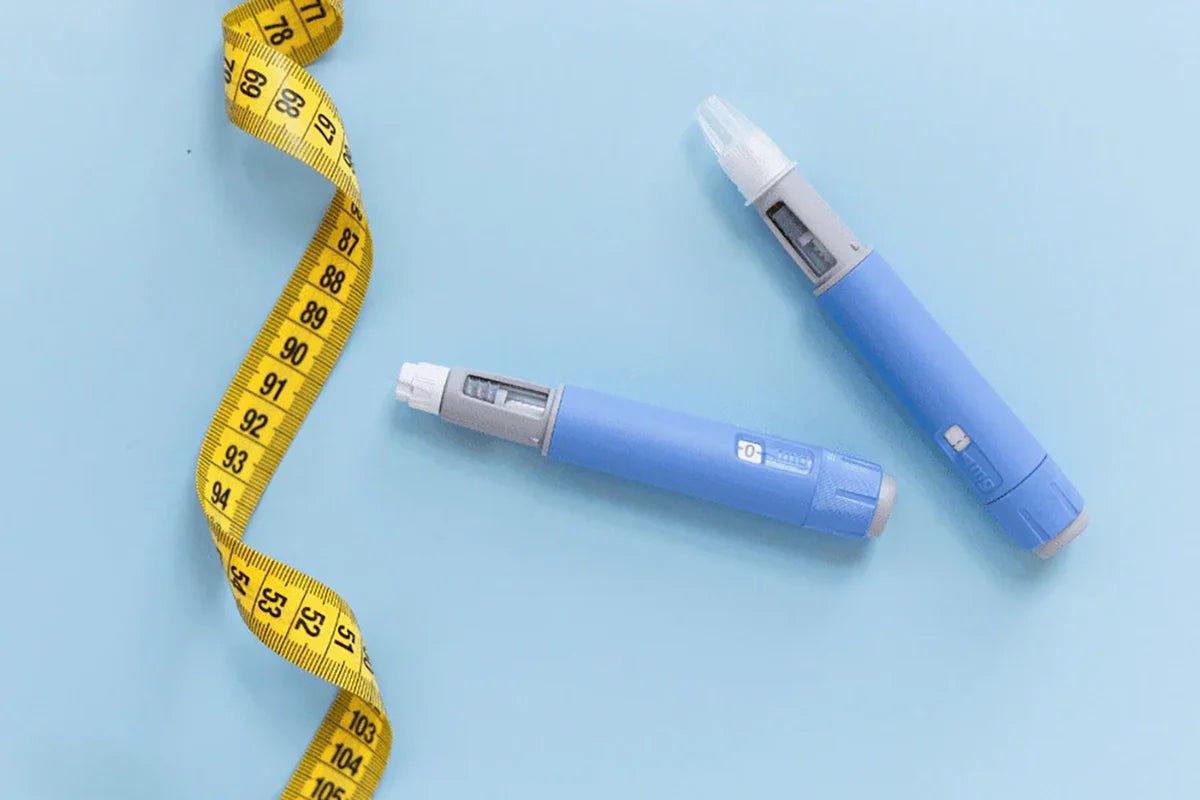

Low testosterone usually shows up first as fatigue, low sex drive, weaker erections, lost muscle, and a flat mood, and these signs are easy to write off as ordinary aging or stress. The only way to confirm low testosterone is a blood test, ideally drawn in the morning and repeated on a second day. Your nighttime erections add an early, objective clue, because hormonal and vascular changes show up in how firm and frequent those erections are.
What are the most common low testosterone symptoms?
Testosterone influences far more than libido. When levels drop, men often notice persistent fatigue, reduced sex drive, weaker or less frequent erections, loss of muscle despite steady training, more belly fat, low mood or irritability, and trouble concentrating. Sleep quality can suffer, and some men report hot flashes. The challenge is that each symptom on its own looks like something else, whether a demanding stretch at work, poor sleep, or simply getting older. That overlap is exactly why low testosterone is so easy to miss.
How common is low testosterone, and why do so many men miss it?
Low testosterone is more common than most men assume. In the Hypogonadism in Males (HIM) study, 38.7 percent of men aged 45 and older who were seen in primary care tested positive for low total testosterone. Yet awareness lags far behind prevalence. In FirmTech's survey on testosterone and men's health, 54 percent of men reported symptoms consistent with low testosterone, but only 26 percent had ever been tested, and just 7.1 percent had ever spoken to a doctor about testosterone replacement therapy. Cost and fear of side effects were the two biggest barriers. The result is a large group of men who feel the symptoms, suspect something is wrong, and never get an objective answer.
How is low testosterone connected to erections?
Testosterone and erections are linked, though the relationship is more nuanced than supplement ads suggest. Testosterone supports libido and helps maintain the tissue and nerve signaling involved in erections, yet many men with low testosterone still get erections, and some men with normal levels still struggle. Research on men undergoing androgen deprivation therapy makes the connection clear. When testosterone is suppressed, the frequency, firmness, and duration of nocturnal erections fall, and when testosterone returns to normal, sexual function reliably recovers. A 2022 review of testosterone and erectile function co-authored by Dr. James Hotaling, who sits on FirmTech's advisory board, describes how testosterone acts on the penis through several pathways at once. The practical takeaway is that erections, especially nighttime erections, can serve as a window into hormonal health.
What can your nighttime erections reveal about your hormones?
Healthy men typically have three to five erections per night, a pattern called nocturnal penile tumescence. These erections are not about arousal. They are a built-in stress test of the blood vessels, nerves, and hormones that drive sexual function. As Dr. Elliot Justin, founder and CEO of FirmTech and inventor of the TechRing, frames it, nocturnal erections are indicative, not merely associated, when it comes to vascular and hormonal health. Even so, 49.1 percent of men in FirmTech's survey did not know that nighttime erections signal cardiovascular and hormonal health at all. A steady decline in the number, firmness, or duration of those nighttime erections can be an early, measurable signal that something beneath the surface, possibly including testosterone, is shifting.
How do you confirm low testosterone?
Symptoms raise a question; only testing answers it. The standard approach is a blood test for total testosterone drawn in the morning, when levels peak, and confirmed with a second morning draw on a different day before any diagnosis is made. A doctor may also check free testosterone and other markers depending on your history. This is where objective tracking at home is useful before you ever reach the lab. The TechRing, an FDA-registered smart erection ring, measures the firmness, duration, and number of your nocturnal erections and rolls them into an Erectile Fitness Score. Worn as a nocturnal erection tracker, it documents how your erections respond to changes in sleep, exercise, medication, or testosterone therapy over time. The TechRing does not diagnose low testosterone and does not replace lab work, but it gives you and your physician objective data instead of guesswork. With over 200,000 recordings to date, FirmTech can also place your readings in context against broader patterns.
This is also the gap FirmTech is building to close. FirmTX, a TRT program planned for launch later this year, is designed to address the link between testosterone and men's health directly. Rather than prescribe testosterone and leave men guessing about the result, FirmTX is built to pair a treatment protocol with a wearable that supplies daily, trackable erection data alongside it, an approach FirmTech believes is the first of its kind. That keeps the focus on personalized, data-driven care, which 77 percent of men in the survey said they prefer. If you would rather start with a quick self-check today, the Free Sexual Health Assessment is a low-pressure first step.
When should you see a doctor?
If symptoms such as low libido, fatigue, weaker erections, or low mood persist for several weeks, it is worth raising with a physician rather than waiting. Sudden or severe changes in erections deserve prompt attention, because erectile changes can be an early warning sign of cardiovascular disease, not only a hormonal one. Roughly 20 percent of men around age 30, and about 60 percent by their late 60s, experience erectile dysfunction, so these conversations are common and the underlying problems are often treatable. Bringing objective data, whether lab results or tracked erection trends, makes the visit shorter and more productive.
Frequently asked questions
What is the most common first sign of low testosterone?
For many men it is reduced sex drive or persistent fatigue, often paired with weaker erections. Because these overlap with stress and aging, they are easy to dismiss, which is why testing matters.
Can you have low testosterone and still get erections?
Yes. Testosterone supports erections, but it is one of several factors. Some men with low testosterone still get erections, and some men with normal levels have erectile difficulty, so doctors evaluate symptoms, blood tests, and erectile function together.
Do morning and nighttime erections indicate testosterone levels?
They offer a clue. Nocturnal and morning erections reflect the health of the nerves, blood vessels, and hormones behind sexual function, and a sustained decline can prompt testing. They are an early signal, not a diagnosis on their own.
How is low testosterone diagnosed?
With a morning blood test for total testosterone, confirmed by a second morning test on a separate day. A clinician may add free testosterone and other labs based on your symptoms and history.
Can the TechRing tell me if I have low testosterone?
No. The TechRing is not a diagnostic test for low testosterone. It tracks the firmness, duration, and number of your nocturnal erections to give you and your doctor objective data over time, which can support a fuller workup.