
Staying sexually active through and after menopause, whether solo or with a partner, is associated with fewer of the symptoms women dread most, including vaginal dryness, poor sleep, low mood, and painful intercourse. The mechanism is simple. Arousal drives blood flow into genital tissue, releases feel-good hormones, and helps keep the pelvic floor strong. Pleasure is one of the few menopause tools that is low risk, low cost, and works with your body rather than against it.
The catch is that almost no one is told this. Sexual health is the part of menopause care most often skipped, both in the doctor's office and in the culture. This piece covers what the research actually shows, and where the right device fits in for women and for couples.
Why does sex get harder after menopause?
As estrogen falls, the tissues of the vulva and vagina become thinner, drier, and less elastic. Clinicians call the cluster of symptoms genitourinary syndrome of menopause, and it can bring dryness, irritation, and pain with penetration. Desire often dips at the same time, and sleep and mood swings do not help. Pain during sex is common rather than rare, affecting a wide range of postmenopausal women in published estimates.
There is also a partner side to this that rarely gets discussed. Many women in midlife are with partners who are navigating their own changes in erectile firmness and stamina. When both people are quietly worried about their bodies, intimacy tends to shrink. Addressing only one half of the couple leaves the other half stuck.
Can staying sexually active actually ease menopause symptoms?
The evidence is growing, and it points in a consistent direction. A study of 96 menopausal women found that those engaged in any sexual activity, solo or partnered, reported fewer symptoms, including vaginal dryness, hot flashes, anxiety, and sleep problems, along with a roughly 10 percent drop in overall symptom severity. A separate 2025 analysis that tracked more than 900 sexually active women aged 40 to 79 found that those who had been sexually active in the prior three months were significantly less likely to report daily vulvar discomfort, even after accounting for age, hormone therapy, and menopausal status.
Neither study proves cause and effect, and the researchers are careful to say so. Taken together, though, they add to a real body of work suggesting that regular sexual activity is a safe and accessible way to manage common menopause complaints. As FirmTech founder and CEO Dr. Elliot Justin, an emergency medicine physician and the inventor of the TechRing, frames the underlying biology, vibrators stimulate arterial blood flow into the clitoris, which makes it easier to maintain arousal as we age. The same "use it or keep it" logic that applies to men's erectile fitness applies to women's genital tissue.
How does arousal help, physiologically?
Three mechanisms do most of the work. First is blood flow. Regular arousal increases circulation to genital tissue, which helps keep it oxygenated, elastic, and more resilient against the thinning that menopause brings. Second is hormones. Orgasm releases oxytocin and dopamine, which support mood and sleep, two of the areas menopause hits hardest. Third is the pelvic floor. In research on women with pelvic floor disorders, many of them postmenopausal, those who were sexually active were significantly more likely to have strong pelvic floor muscles, likely because of the contractions that happen during arousal and orgasm.
Why aren't more women using self-pleasure?
Mostly because no one raises it. Research from the Kinsey Institute on midlife women found that only about 10 percent use self-pleasure as a primary way to manage menopause symptoms, yet 46 percent said they would be open to trying it if a health care provider recommended it. The barrier is messaging, not willingness. And providers rarely close that gap. A 2025 report of more than 700 doctors found that only 16 percent of general practitioners and 45 percent of ob-gyns routinely ask about sexual problems during an appointment.
That silence is the same problem FirmTech was built to solve on the men's side. Men do not talk about erectile health, and women are rarely offered pleasure as a legitimate part of a menopause plan. The fix in both cases is to normalize the conversation and give people a practical tool.
Where do vibrators fit in?
For arousal that depends on reliable clitoral stimulation, a vibrator is often the most direct route, and that becomes more true, not less, with age. Because vibration reliably drives blood flow to the clitoris, it helps many women reach arousal and orgasm more easily than manual or penetrative stimulation alone. Used consistently, it supports the circulation-and-tissue benefits described above. Used with a partner, it takes the pressure off penetration as the only path to satisfaction, which matters when penetration is uncomfortable.
What about couples, and the partner's erection?
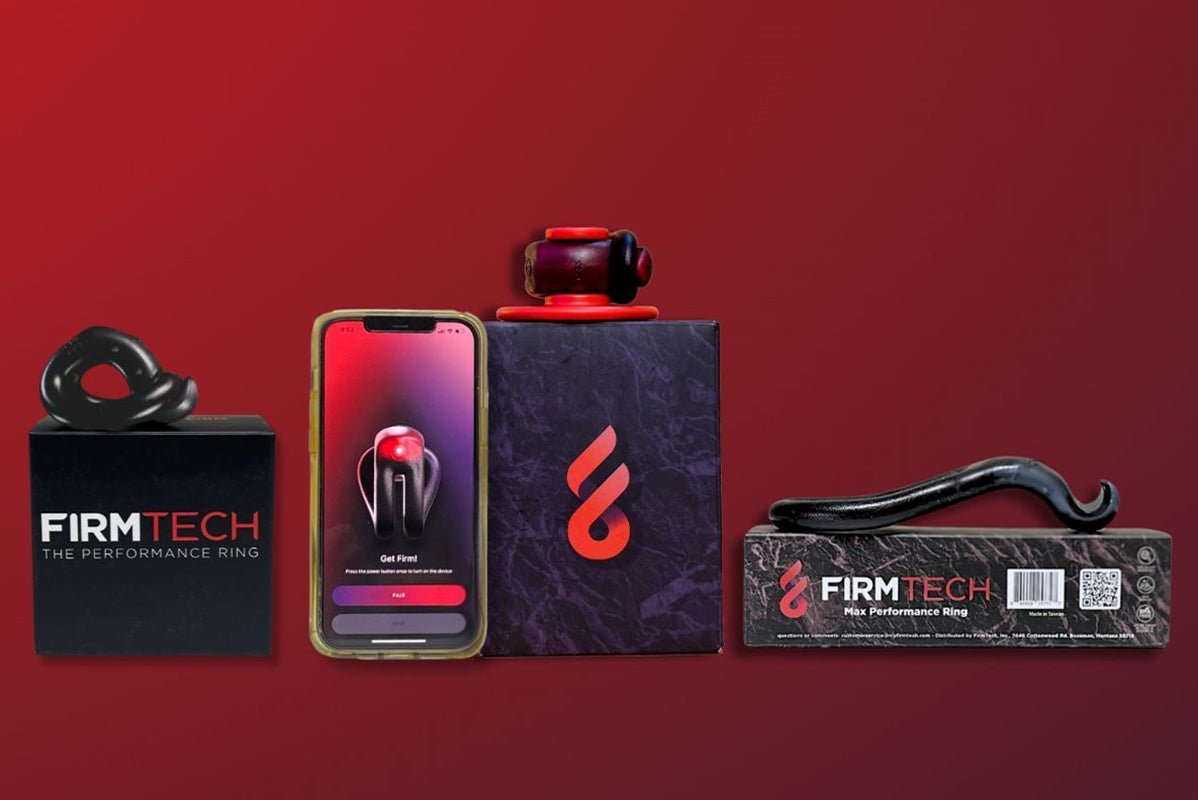
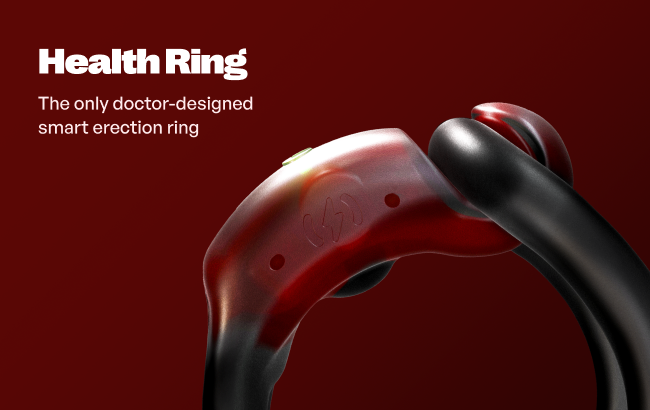
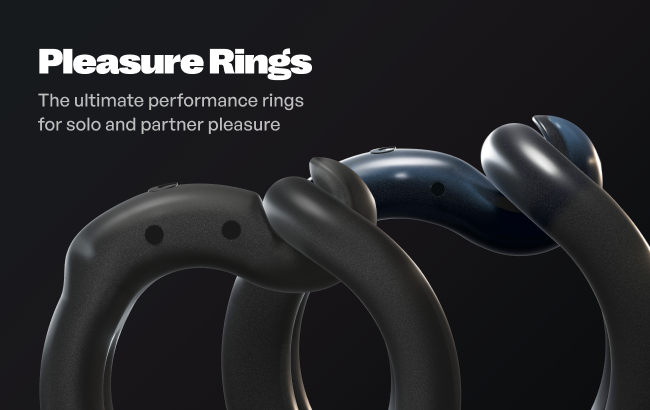
This is where most menopause coverage stops short. If one partner is managing dryness and the other is managing softer erections, the couple needs a solution that serves both people at once. That is the idea behind the RingMate. It is a doctor-designed, three-speed vibrator built for clitoral anatomy that also attaches securely to a FirmTech erection ring such as the Performance Ring or MaxPR. In partnered mode it delivers clitoral stimulation to her while the ring helps him stay firmer and last longer. In solo mode it detaches and works as a lightweight handheld vibrator.
The RingMate solves a genuine hardware problem. Most vibrating rings are good vibrators or good rings, rarely both. FirmTech's system is designed to do both jobs at the same time, so a single device covers a woman's solo pleasure and a couple's shared pleasure. It is made from body-safe, medical-grade material, works with water-based and silicone-based lubricants, is priced at $69, and is HSA and FSA eligible. FirmTech's ring line is endorsed by Dr. Mohit Khera, former president of the Sexual Medicine Society of North America.
How do you ease back into sex when it hurts?
If sex has become uncomfortable, the worst move is to grit your teeth and push through, because pain tends to breed more pain and avoidance. Start by taking penetration off the table as the goal. Focus on external pleasure, including clitoral touch and vibration, and let arousal build before anything else. Many couples find it helps to slow down and trade simple, low-pressure touch, taking turns asking what feels good rather than rushing toward orgasm. A vibrator lowers the stakes here, because it reliably delivers sensation without requiring penetration or a firm erection.
The other non-negotiable is lubrication. Menopausal tissue produces less natural moisture, so friction that once felt like nothing can now feel raw. A good lubricant is the single easiest change most couples can make, and it pairs naturally with any of FirmTech's rings and with the RingMate.
Which lubricant should you use after menopause?
First, know the difference between a lubricant and a moisturizer. A vaginal moisturizer is daily maintenance, closer to skincare for delicate tissue, used several times a week whether or not you are having sex. A lubricant is situational, applied right before or during sex to cut friction. Many women benefit from both. For the intimate moments this article is about, a lubricant is what you reach for, and the type matters.
FirmTech's rings and the RingMate are compatible with water-based and silicone-based lubricants, and you should avoid oil-based products with them. With that in mind, here is how the options we carry break down.
Silicone-based, for longer-lasting glide and drier tissue. Sliquid is a premium silicone lubricant that lasts far longer than water-based options and rarely needs reapplying, which makes it a strong choice when dryness is significant or sessions run long. It is free of glycerin, parabens, and alcohol, and its slick, cushioning feel can take the edge off friction that water-based products cannot fully cover. Silicone is safe with condoms and with FirmTech's rings.
A mentholated arousal gel, for those who want more sensation. For couples looking to heighten sensitivity, FirmTech also carries a mentholated stimulating gel that produces a gentle cooling or tingling sensation intended to draw attention and blood flow to the area and amplify arousal. This is an enhancement product rather than a comfort product, so treat it accordingly. Menopausal tissue can be more reactive, so apply a small amount first to see how it feels, and skip it if you notice any stinging or irritation. If dryness or pain is your main issue, reach for a plain water-based or silicone lubricant instead, and save the mentholated gel for when comfort is not the problem.
Is a device a treatment for menopause symptoms?
No, and it should not be framed that way. A vibrator is a general wellness and pleasure product, not a treatment for genitourinary syndrome of menopause or any medical condition. If you have moderate to severe dryness or pain, the most effective options remain medical ones, including vaginal moisturizers, lubricants, and prescription therapies like low-dose vaginal estrogen, and those are worth a dedicated appointment with a menopause-savvy clinician. Think of pleasure as a low-risk complement to that care, not a replacement for it. If sex hurts, do not push through it. Ease back in with what feels good, and treat the underlying dryness alongside.
Frequently asked questions
Does having sex regularly really help with menopause symptoms?
It is associated with fewer symptoms in several studies, including less vaginal dryness and better sleep and mood, though the research shows association rather than proof of cause. The likely drivers are increased blood flow to genital tissue, feel-good hormones from orgasm, and a stronger pelvic floor.
Is masturbation good for menopause?
It can be a useful, low-risk part of a menopause plan. Self-pleasure supports genital blood flow and releases hormones that help mood and sleep, and many clinicians now consider it a legitimate tool. Research suggests most women would try it if a provider simply recommended it.
What kind of vibrator is best after menopause?
One that reliably stimulates the clitoris, since clitoral stimulation is the most direct route to arousal for most women and drives the blood flow that keeps tissue healthy. A device that works both solo and with a partner, like the RingMate, covers the most situations with one purchase.
Can a vibrating ring help if my partner also has erection changes?
Yes, that is the point of a couples-focused device. A vibrating erection ring such as the RingMate helps a male partner stay firmer and last longer while delivering clitoral stimulation at the same time, so both partners benefit during the same encounter.
Will a vibrator fix vaginal dryness or painful sex?
No. Dryness and pain are best addressed with moisturizers, lubricants, or prescription options prescribed by a clinician. A vibrator is a pleasure and wellness tool that can make intimacy more comfortable and enjoyable alongside proper treatment, not a cure for a medical condition.
What is the best lubricant for sex after menopause?
There is no single best pick, but the reliable default is a gentle water-based lubricant such as Sliquid that is free of glycerin and parabens and friendly to the vagina's natural pH. If dryness is significant or sessions run long, a premium silicone lubricant like Überlube lasts longer and needs less reapplication. Both are compatible with FirmTech's rings and the RingMate. Avoid oil-based products with the rings and with latex condoms.
Are warming or mentholated gels safe after menopause?
They can be, but treat them as an arousal enhancer rather than a comfort product. A mentholated gel adds a cooling or tingling sensation to heighten arousal, and menopausal tissue can be more reactive, so apply a small amount first and stop if you notice any stinging. If your main issue is dryness or pain, a plain water-based or silicone lubricant is the better choice.